Before You Set Off: Making Toilet Access a Calm Part of Family Days Out
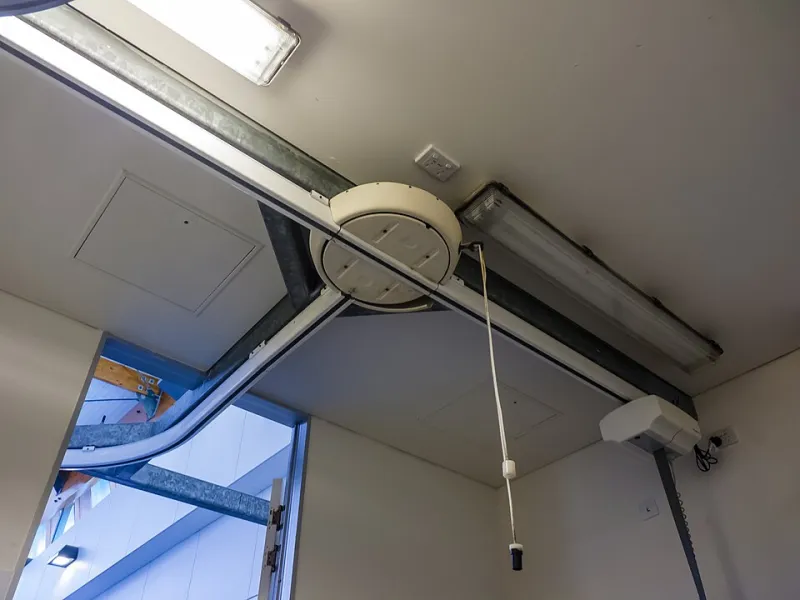
Photo: John Robert McPherson, CC0, via Wikimedia Commons
For many families, the question that decides whether a day out is possible is not the price of entry or the weather forecast. It is whether there will be a toilet that meets their child's needs, at the moment it is needed. That is not overcaution. It is planning.
A day out with a child who needs an accessible toilet, a hoist, a changing bench or simply a clean and private space carries an extra layer of logistics. When those facilities are missing, locked, out of order or difficult to reach, the whole day can tilt. The aim of this guide is not to make families stay at home unless every detail is guaranteed. It is to make toilet access a known part of the plan, so that it takes up less room in the mind and the family can get on with the day.
Why toilet access belongs in the plan
Parent carers often become expert at scanning a venue before they arrive: where is the entrance, is there a lift, how far is the car park, is there a quiet corner? Toilet access belongs on that same list. It is not an embarrassing detail to be dealt with later. It is part of the access needs of the child and, by extension, of the family.
Planning ahead does two things. It reduces the chance of a distressing interruption, and it gives the adult in charge a clear next step if the first option fails. That second point matters. A contingency plan is not a sign that you expect failure; it is a sign that you are caring for someone whose needs deserve the same consideration as any other part of the day.
What the Radar Key does, and what it does not
The Radar Key scheme gives access to thousands of locked accessible toilets across the UK. Keys are available through many councils, some charities and disability organisations, and a range of retailers. They are a practical tool, but they are not a universal pass. Some venues use their own locking systems, some accessible toilets are open to all, and some facilities are closed when staff are not on site.
It is worth carrying a Radar Key if your child needs one, but it is equally worth checking whether the venue you are visiting actually uses the scheme. A key in a bag is reassurance; a key that fits the door is better. If you are unsure, ask the venue directly. The question is simple: 'Do you have an accessible toilet that uses the Radar Key scheme, and is it open during our visit?'
Changing Places: what to check
Changing Places toilets are designed for people who cannot use standard accessible toilets. They typically include a height-adjustable adult changing bench, a hoist, a peninsular toilet and enough space for a wheelchair and one or two carers. In 2026, the Changing Places map is a useful starting point, but it should not be the only check. Facilities can be temporarily closed, hoists can be out of service, and opening hours can differ from the main venue.
Before booking, ask specific questions. Is the Changing Places facility open on the day of your visit? Is the hoist in working order? Is the bench clear and available? Are there opening hours or staff-assisted access arrangements? Is there a quieter route to the facility, or a way to avoid a long queue? If the venue cannot answer, ask who can. A short phone call or email before booking is rarely wasted.
Questions to ask before you book
A useful conversation with a venue covers more than whether a facility exists. It covers how it works in practice. You might ask:
- Where is the accessible toilet or Changing Places facility located, and how far is it from the main entrance or the area we plan to use?
- Is it open throughout our visit, including at lunchtime and at the end of the day?
- Does it require a Radar Key, a staff key, or a code?
- Is there a hoist, a changing bench or other equipment, and has it been checked recently?
- If the facility is out of order, what alternative do you offer?
- Can staff help if a queue forms or if access is difficult?
These questions are not demanding. They are the same kind of questions anyone might ask about step-free access or parking. Ask them plainly and expect a plain answer.
Building a calm contingency route
Even a well-researched plan can meet a closed door. The contingency does not need to be elaborate. It needs to be known. Before you set off, identify two or three fallback facilities along your route or near the venue. These might include a large supermarket with an accessible toilet, a shopping centre, a leisure centre, a council-run car park, a hospital or a motorway service area. Note their opening hours and whether they are likely to be busy at the time you would arrive.
It also helps to think about the order of the day. If the journey is long, plan a stop before the child needs one rather than waiting for a crisis. If the venue is busy, consider arriving earlier or choosing a quieter day. If the facility is at the far end of a large site, think about whether a wheelchair, a buggy or a rest stop is needed on the way.
The point of a contingency is not to spend the whole day thinking about toilets. It is to remove the fear that there is no next step. Once the next step is known, it can be set aside.
When plans change: closures, queues and staff
If you arrive and the facility is closed, try not to let the moment become a judgement on the day. Speak to staff at the nearest information point or reception. Ask whether there is another accessible facility on site, whether a key is available, or whether a quiet room or staff toilet could be offered in an emergency. Some venues can arrange access through a side entrance or a service corridor if asked.
Queues are another common difficulty. If waiting is hard for your child, ask whether you can be let in through a quieter route or whether staff can help manage the wait. It is reasonable to explain, briefly, that your child has additional needs and cannot wait in a busy corridor. You do not need to give a full medical history. A short, calm sentence is usually enough: 'My child has additional needs and cannot queue for long. Is there a way to access the facility without waiting here?'
A small kit and a calm script
A few practical items can make a difference: a Radar Key, spare wipes, disposable gloves, a change of clothes, pads or continence products, and a small air freshener if needed. Keep them together so they are easy to find. A familiar bag or pouch can also signal to the child that this part of the day is under control.
A calm script helps too. Decide in advance how you will ask for help, and keep it short. 'We need to use your accessible toilet. Can you tell me where it is and whether it is open?' is often all that is required. If the answer is no, the next question is: 'What is the nearest alternative?' Having the words ready makes it easier to stay steady.
Keeping the day about the day
Toilet access should not have to dictate whether a family goes out at all. With a little research, a direct question or two, and a fallback plan, it becomes one part of the itinerary rather than the whole of it. The goal is not a perfect day with no surprises. It is a day where the necessary facilities are known, the alternatives are mapped, and the family can turn their attention to the reason they went out in the first place.
A known toilet is not a luxury. For many parent carers, it is part of the access. Planning for it is not anxious overpreparation; it is a practical expression of care.