The Hall, the Lights and the Exit Sign: A Family Plan for December Performances
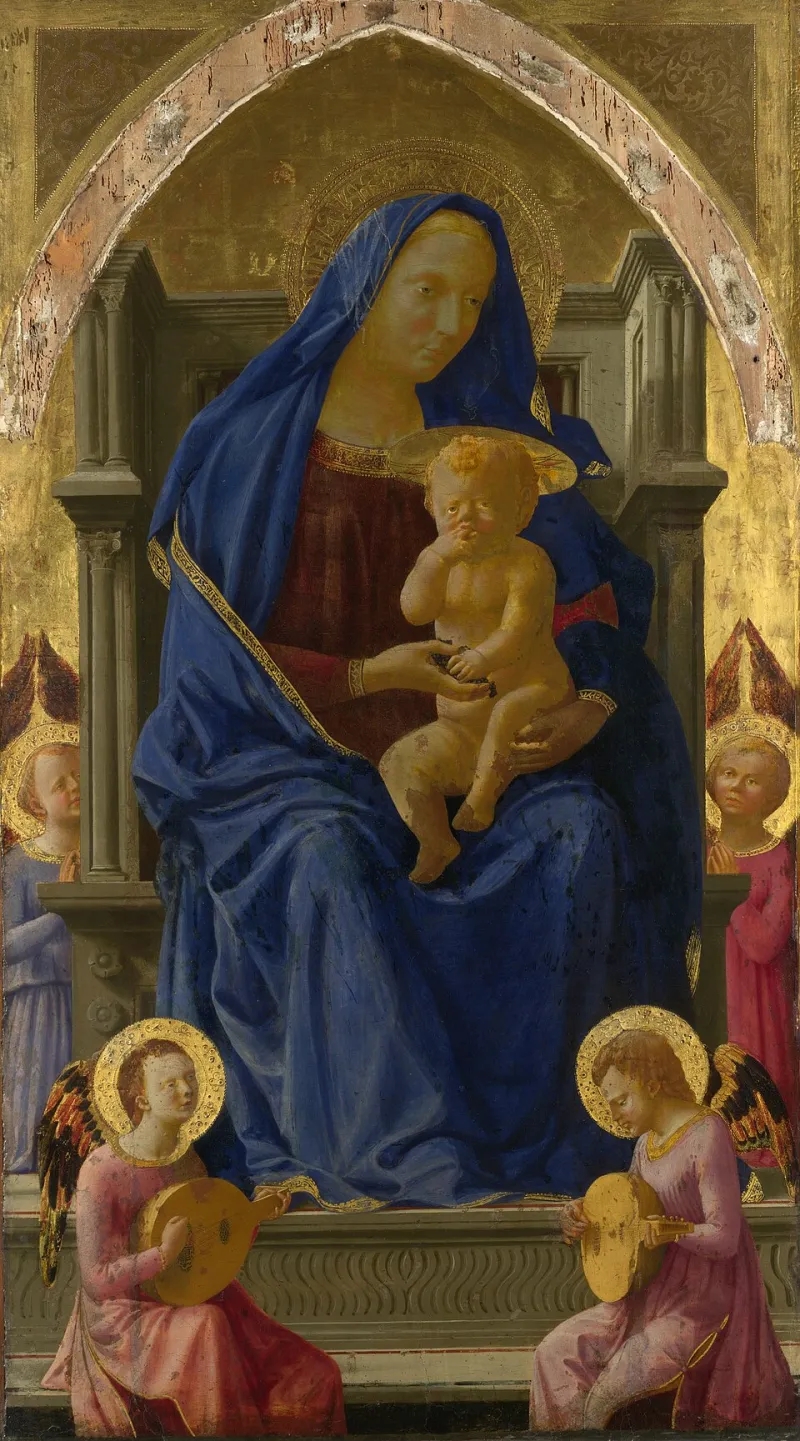
Photo: Masaccio, Public domain, via Wikimedia Commons
For many families, the school nativity is a fixed point in December: invitations arrive, costumes are requested, rehearsals disrupt the timetable and the school hall fills with folding chairs. For a child with additional needs, the same event can combine sensory load, social expectation and a strong sense of being watched. The aim is not to avoid the performance altogether, nor to force a child through it. It is to make the occasion tolerable, and perhaps enjoyable, by planning early and agreeing what support will look like.
Begin with the school, not the stage
The most useful conversation happens well before the dress rehearsal. Contact the class teacher, the special educational needs coordinator or the inclusion lead and ask what the performance will involve in practical terms. Will the hall lights be dimmed or bright? Is there amplified sound? How many rehearsals will take place? Will the child need to stand on a stage, wear a costume or wait in a corridor? These details matter more than the script.
Ask what adjustments are possible without framing the request as an opt-out. A child might sit near a familiar adult, visit the hall beforehand when it is empty, wear ear defenders, hold a small comfort object or take a role with less exposure. Some schools can offer a quiet space nearby, a signal for leaving the hall or a reduced number of rehearsals. Put the agreed plan in an email so that it is shared with staff who may be covering the class. Name one key person who will notice if the child is struggling.
It is also reasonable to ask how the school will manage the audience. A crowded hall, late arrivals and parents standing at the back can increase the pressure. If the child needs to know exactly where you will be sitting, agree that in advance. If leaving early is likely, ask which route avoids the busiest corridor.
Preparing at home without turning it into a rehearsal
Children who find change difficult often benefit from a simple visual sequence: arrive at school, sit in the hall, watch the first songs, use the signal if needed, leave calmly. A short social story or a written plan can be enough. Keep it factual and avoid adding pressure about performance. The goal is predictability, not perfection.
At home, practise the words the child can use if they need a break. A single phrase such as ‘I need to step out’ is easier to remember than a long explanation. Agree a private signal too, such as a hand squeeze or a card kept in a pocket. Rehearse the signal in low-stakes moments so that it feels ordinary.
Be cautious about over-preparing lines or songs if the child is already anxious. Some children find repetition reassuring; others find it increases the sense that they must get it right. Follow the child’s lead. The same applies to costumes. If seams, masks, hats or unfamiliar fabrics are likely to be difficult, ask the school early whether a soft base layer, an alternative costume or ordinary clothes in the same colours can be used.
Quiet exits, signals and the costume question
A quiet exit should be treated as a normal part of the plan, not as a failure. Agree with the school who will accompany the child, where they will go and how they will return if they want to. The child should not have to justify leaving in the moment. A brief ‘we are taking a break’ is enough. If leaving the hall attracts attention, ask whether a side door can be used.
Costume negotiations are often more sensitive than they appear. A child may be willing to wear part of a costume but not the headpiece, or may need to keep a familiar jumper underneath. Some schools are flexible; others have a fixed idea of how the nativity should look. Explain the sensory reason plainly and offer a compromise. It is better to have a child participate in comfortable clothes than to spend December managing distress over a tea towel.
Photographs need the same care. Ask the school how photos will be taken and tell them if a child is likely to find flashes, crowding or being singled out difficult. Consent should be specific, not assumed. If relatives are attending, agree beforehand who will take pictures and whether the child wants to be included.
Relatives, photographs and the myth of joining in
December brings expectations from extended family: that everyone will attend, that photographs will be taken, that the child will sing loudly and join in happily. These expectations can be loving, but they can also add pressure. It helps to send a short message before the event. Explain that you are attending, that you may need to step out, and that you will follow the child’s lead. Ask relatives not to comment on whether the child is performing or to request photographs in the moment.
Some relatives may feel disappointed. Acknowledge that without apologising for protecting your child. ‘We would love you to be there, and we may need to leave early. That is what will help us all enjoy it’ is clearer than a long justification. Offer another way to mark the occasion: tea at home afterwards, a video call, a quiet walk or a shared meal on a different day.
Joining in does not have to mean staying for the whole performance. It can mean sitting with the family for ten minutes, wearing one part of a costume or watching from the back of the hall. Connection, rather than performance, is the useful measure of the afternoon.
The day itself, and after the curtain
Keep the morning as calm as possible. Pack water, a snack, ear defenders and any comfort item. Decide whether the child prefers to arrive early when the hall is empty or later when it is already full; both are valid. Avoid making attendance conditional on behaviour. The child is not earning the right to be there.
Afterwards, praise effort rather than output. ‘You came into the hall and found your seat’ is more useful than ‘you were the best star.’ Allow recovery time and avoid a busy crowd immediately after the performance. If the child is distressed, do not turn the evening into a lesson about next year. Rest first.
A school performance is one part of December, not a verdict on family life. With early agreement, a clear exit plan and relatives who understand the purpose, the nativity can become something gentler: a shared occasion that asks less of the child and gives the family more room to breathe.