Small Rescues for Cold Days: A Winter 2026 Support Plan for Parent Carers
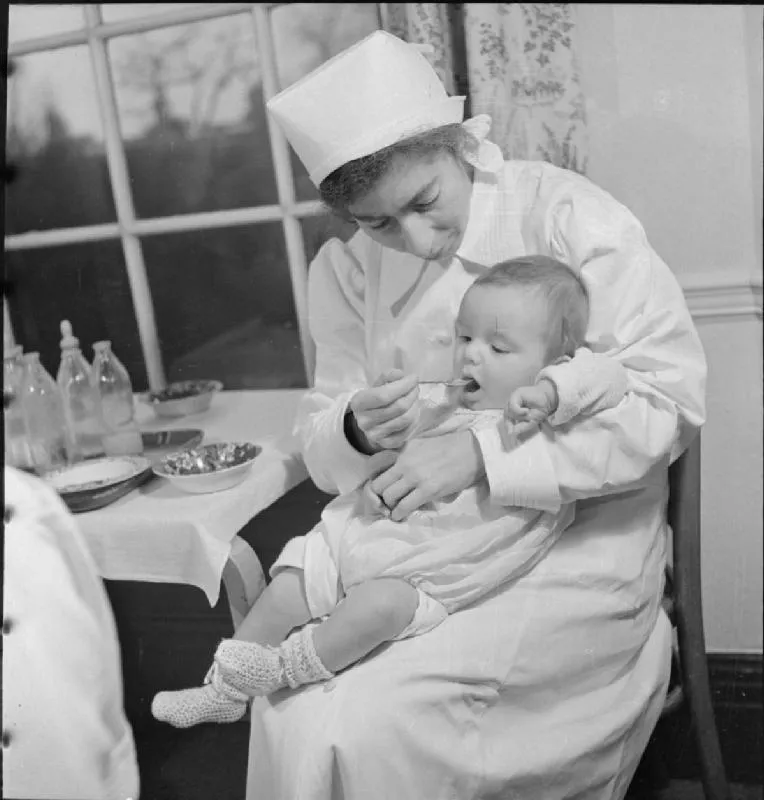
Photo: Ministry of Information Photo Division Photographer, Public domain, via Wikimedia Commons
As winter 2026 settles in, many parent carers are facing the familiar combination of shorter days, higher bills and relentless caring responsibilities. This is not the season for grand resolutions. It is the season for small rescues: modest, repeatable actions that reduce the load without pretending that everything is fine. The suggestions below are not cures for systemic pressures. They are practical starting points for cold, tired days.
1. Lower the daily bar deliberately
Choose one non-negotiable for the day and let the rest be optional. It might be medication, a warm meal or getting everyone to school. A day that has been reduced to its essentials is not a failure; it is a sensible response to limited capacity. Write the single priority on a note or phone, so that it does not have to be renegotiated when energy is low.
2. Create a warmth and food anchor
A flask of hot drink, a bowl of soup or a simple pasta dish can do more for morale than an elaborate plan. Keep a small shelf of low-effort staples and a spare blanket near the place where you usually sit. The aim is to make warmth and nourishment easy to reach, not to create an aspirational routine.
3. Use warm hubs and public spaces
Many councils and community organisations in the UK run warm hubs, libraries and community cafés where people can spend time without spending much money. Availability varies by area, so check your local council website, library noticeboard or Family Hub. A change of scene can be restorative even when the reason for going is simply to be warm.
4. Reconnect with a local carer support group
Carer centres and local support groups often run coffee mornings, online meet-ups and telephone befriending. Carers UK can help with information, and many areas have a local carers organisation. The value is not only practical advice but the relief of being with people who understand without requiring a long explanation.
5. Ask about respite and short breaks
Parent carers in England can request a carer’s assessment from their local authority, and families of disabled children may be entitled to short breaks or respite depending on assessed needs. The process can be slow and frustrating, but it is worth asking what is available locally. Keep a note of dates, reference numbers and the name of the person you speak to. If you are refused, ask for the reasons in writing and for information about the appeals route.
6. Protect flu vaccination and basic health checks
Winter 2026 will bring the usual pressure on health services. Check whether you and the person you care for are eligible for a free NHS flu vaccination, and book early if possible. Parent carers often postpone their own appointments; where feasible, keep routine checks for prescriptions, dental care or long-term conditions. A GP appointment is not a luxury when caring depends on your health.
7. Make a help menu for family and friends
People often want to help but offer vague support. A short menu can make it easier for them to act. For example: ‘Could you pick up a prescription on Thursday?’, ‘Could you sit with them for an hour while I sleep?’ or ‘Could you send a message rather than phone this week?’ Specific requests are easier to say yes to than general offers.
8. Use scripts for school and health professionals
It can help to have a few sentences ready. To a school: ‘We are managing a lot at home at the moment. Can we agree a simple way to share concerns and reduce non-essential demands for the next few weeks?’ To a health professional: ‘I am a parent carer and I am struggling to manage my own health alongside caring. What support can you offer, and who else should I speak to?’ These scripts do not need to be perfect; they simply open the conversation.
9. Plan for the worst day before it arrives
Write a short emergency plan: who to call, what can be paused, where the essentials are kept and what the minimum safe routine looks like. Include a trusted friend, a local carer service and any professional contact. Knowing that a plan exists can reduce the mental load on difficult days.
10. Accept micro-restoration
Restoration does not always require a day off. Five minutes with a hot drink, a short walk in daylight, a stretch, a shower or a phone call with someone who does not need anything from you can all count. The point is not to feel transformed. It is to take the edge off enough to continue.
Winter 2026 will not be made easy by positive thinking. It can be made slightly more manageable by realistic support, clear requests and small acts of care. Parent carers deserve help that is practical, local and sustained, not only seasonal goodwill.