When the Chair Feels Too Loud: Planning a Haircut That Works for Your Child
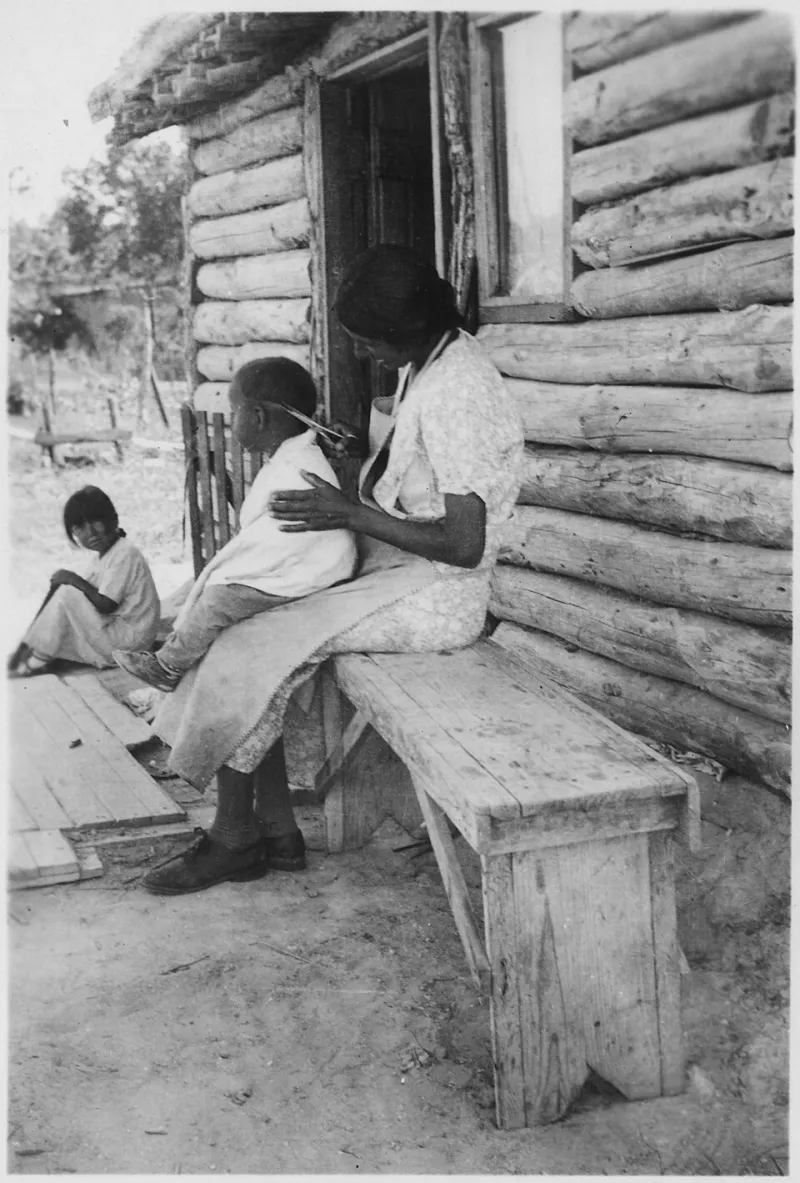
Photo: Unknown authorUnknown author or not provided, Public domain, via Wikimedia Commons
A haircut is often treated as a small errand, something to fit between a supermarket shop and the school pick-up. For a child with sensory or additional needs, however, it can feel like a wall of sound, touch and expectation. The cape scratches. The clippers hum too close to the ear. A stranger leans in. Even a familiar parent may suddenly seem unpredictable. The result is distress that can surprise everyone involved, and a parent carer left wondering whether to persevere, retreat or apologise.
There is no single right way to approach this. Some families find a salon that understands; others build a workable routine at home. Many do a mixture of both. What matters is that the plan fits the child, not that the child learns to tolerate a plan that does not fit.
Why a haircut can overwhelm
Haircuts combine several sensory demands at once. There is the sound of clippers and scissors, the sensation of hair falling on the neck, the restriction of a cape, the smell of products and the social pressure to sit still while someone moves around your head. For a child who is sensitive to touch, noise or close contact, this is a lot to process. For a child who needs predictability, the unfamiliar layout of a salon can add another layer of uncertainty.
Understanding this is not about lowering expectations. It is about recognising that a haircut is a complex task, and that a child who struggles is not being difficult. They are responding to an environment that asks a great deal of them.
Home cut or salon: deciding what fits
There is no hierarchy here. A home cut is not a lesser option, and a salon visit is not a necessary milestone. The question is which setting gives your child the best chance of feeling safe enough to proceed, even partway.
A home cut may suit a child who needs to move, who finds unfamiliar places hard, or who needs to stop and start. It can be done in short stages over several days: a trim at the back one evening, the fringe another. It removes the audience and the time pressure.
A salon may suit a child who prefers a clear, professional routine, or who finds the home setting full of distractions. Some salons now offer quiet appointments, autism-friendly sessions or the chance to visit before a cut. It is worth asking, even if the answer is no. Under the Equality Act 2010, service providers have a duty to make reasonable adjustments for disabled people, and a quieter slot or a pre-visit may count as one.
Questions to ask before you book
A short telephone call can prevent a difficult appointment. Ask whether the salon can offer a quieter time of day, whether you can visit beforehand to meet the stylist and see the chair, and whether your child can keep headphones or a comfort item. Ask whether the cut can be done dry, whether clippers can be kept away from the ears, and whether you can bring your own cape or towel. Ask what happens if your child needs to stop. A good salon will not promise perfection; it will tell you honestly what it can accommodate.
If your child has an education, health and care plan or is known to the local authority, it is also worth checking whether your council's local offer lists sensory-friendly activities or services. Some areas have parent carer groups that share recommendations for hairdressers who understand additional needs. Word of mouth remains one of the most useful tools available.
Building the plan one step at a time
A social story can be helpful. This is a short, plain-language description of what will happen, written in the first person or about the child, with photos or drawings if useful. It might say: First we go into the salon. I can keep my headphones on. The hairdresser will spray my hair with water. It might feel cold. I can hold my toy. When it is finished, I can choose a biscuit. The aim is not to script every second, but to make the sequence familiar.
Practice at home can reduce the unknown. Let your child hold the comb, feel the spray bottle, or sit in a kitchen chair with a towel around their shoulders for a minute. Some families use a timer to show that the task has a clear end. Others agree a signal, such as a raised hand, that means pause. A pause is not a failure; it is communication.
Choose a time when your child is usually at their most regulated, not immediately after school or when hungry. Pack a sensory kit: headphones, a favourite small toy, a snack, a weighted lap pad if used, and a spare top to change into afterwards. Dress your child in a loose top that can be removed easily, so hair does not cling to the neck.
On the day, keep the language simple and the expectations modest. You might aim for a fringe trim only. You might aim to sit in the chair for two minutes and leave. Both count as progress.
When the cut has to stop
Sometimes the plan will not hold. Your child may become distressed, the stylist may rush, or the environment may simply be too much. A stopped cut is not a failed cut. It is information. You have learned something about what your child can manage today, and that knowledge is useful.
If you need to leave, do so without apology or blame. Tell the stylist you will try again another time. At home, debrief gently: what felt hard, what helped, what could be different next time. You may decide to try a home cut, a different salon, or a shorter appointment. Hair grows. There is no deadline here except the one you impose on yourself.
Small wins, honestly celebrated
A child who sits for three minutes has achieved something. A child who walks into the salon and back out again has achieved something. A parent carer who recognises when to stop has achieved something too. These wins deserve acknowledgement, not because they meet a standard, but because they represent effort and trust.
It is equally important not to promise that next time will be smooth. Some children will always find haircuts difficult, and that is acceptable. The goal is not a perfect salon visit. The goal is a child who learns that their signals are respected, and a parent carer who feels equipped to try again when the time is right.
A note for the carer
You are not failing if a haircut takes months to achieve or if you decide never to use a salon. You are adapting to your child's needs, which is the work of care. If the task feels heavy, consider mentioning it at a parent carer's assessment or to your GP, particularly if the stress around appointments is affecting your own wellbeing. Support is not a reward for coping badly; it is a practical part of holding a family steady.