A Place to Park, A Measure of Dignity: Making the Blue Badge Process Manageable
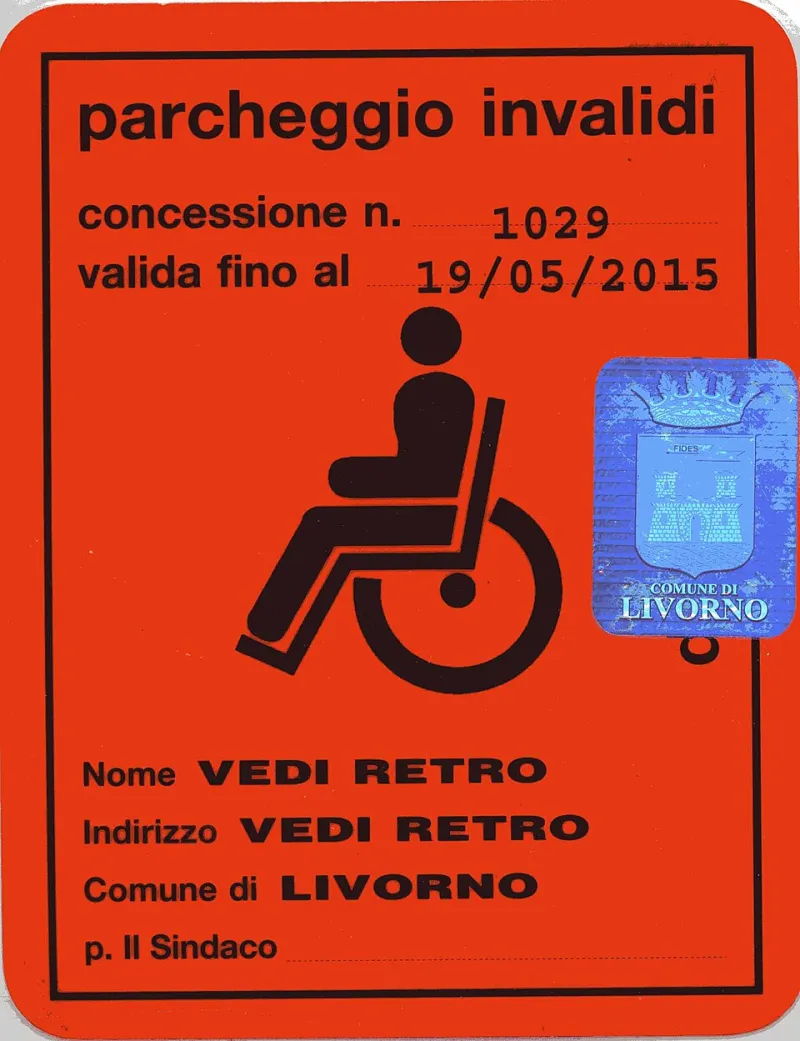
Photo: Piergiuliano Chesi, Public domain, via Wikimedia Commons
The Blue Badge is one of the most practical forms of support available to families caring for a child with a disability or health condition. It can turn a difficult journey into a possible one. It can also generate a surprising amount of paperwork, uncertainty and, on difficult days, a sense of being judged.
This guide is about making the process manageable. It covers who may be eligible, what evidence helps, how to apply and renew, what to do if an application is refused, and how to use the badge with dignity.
Who may be eligible
Eligibility is based on mobility and the difficulty of making a journey, not on a diagnosis alone. Some people qualify automatically. In England, this includes children receiving the higher rate mobility component of Disability Living Allowance, people receiving the enhanced rate mobility component of Personal Independence Payment, and those with a specified number of points for moving around in certain benefits assessments. Other automatic routes include some war pensioners and people registered as blind.
There is also a discretionary route. This can apply to children with hidden disabilities or conditions that make walking very difficult, cause considerable psychological distress or risk harm. The wording differs across England, Scotland, Wales and Northern Ireland, and each council administers its own scheme. Always check your local council's guidance before applying.
Gathering evidence
Evidence should describe what happens on a bad day, not only what a diagnosis is called. Useful documents may include specialist letters, care plans, therapy reports, an education, health and care plan, occupational therapy assessments and GP letters. A short statement from you can be powerful if it is specific: how far your child can walk, what happens after, how often you need to stop, and what risks arise in a car park or on a street.
Keep copies of everything. Do not send original documents unless the council requires them. If you are describing hidden disabilities, focus on the journey: the distress, the unpredictability, the need to leave quickly or the risk of a child bolting. A diagnosis letter alone may not answer the questions the assessor is asking.
The application itself
In England, applications can usually be made through the gov.uk service or directly to your local council. You will need proof of identity, proof of address, a recent photograph and supporting evidence. There is usually a small fee. Keep a copy of the completed form and note the date you submitted it.
If you apply by post, use recorded delivery. If you apply online, save the confirmation. Ask for an acknowledgment and note the council's stated processing time. A polite follow-up email after that period is reasonable. Keep the tone factual; a short chronology is more effective than a long account of frustration.
If the answer is no
A refusal is not a judgment on your child's needs. Read the decision letter carefully and note the reason given. You can usually ask for a reconsideration within a set period and provide additional evidence. Ask your child's clinician for a letter that addresses the specific criteria the council has cited. If the council has made a procedural error, you may be able to complain to the local government ombudsman after completing the council's complaints process.
If circumstances change, you can reapply. Keep the refusal letter with your evidence so you do not repeat the same gaps. Ask for help from a local parent carer forum or an advice service if the process feels opaque.
Renewals and the calendar
Blue Badges are usually issued for a fixed period, often three years. Do not wait for the renewal letter to arrive. Set a reminder three months before the expiry date and check your council's renewal process. Some councils allow renewal online; others require a new application. Update your address with the council if you move.
Keep a copy of the renewal evidence you used last time, but check whether it is still current. A stale letter can slow the process. If your child's needs have changed, use the renewal as an opportunity to update the description.
Using the badge with dignity
The badge belongs to the person, not the car. Display it correctly and use the clock only when the rules require it. Do not use it when the badge holder is not present. Explain to your child, in age-appropriate terms, why you use it and what it is for. A short script can help with comments from strangers: 'This badge is for my child's mobility needs. We are following the rules.'
On difficult days, a parking decision can feel fraught. Plan where possible, but accept that some journeys will be abandoned. The badge is a support, not a test of endurance.
A simple paperwork system
Keep one folder for the badge. At the front, place a single sheet with the issue date, expiry date, council reference, evidence list and renewal reminder date. Behind it, keep copies of the application, supporting letters and any correspondence. This one page can prevent a scramble later and make a renewal feel like an administrative task rather than a crisis.
Final thoughts
The Blue Badge process asks you to describe your child's difficulties in a form that may feel reductive. That is difficult, but it is not the whole story of your family. Gather what you can, ask for help when you need it, and keep the paperwork in one place. The aim is not a perfect application. The aim is to make the ordinary journeys of family life a little more possible.